


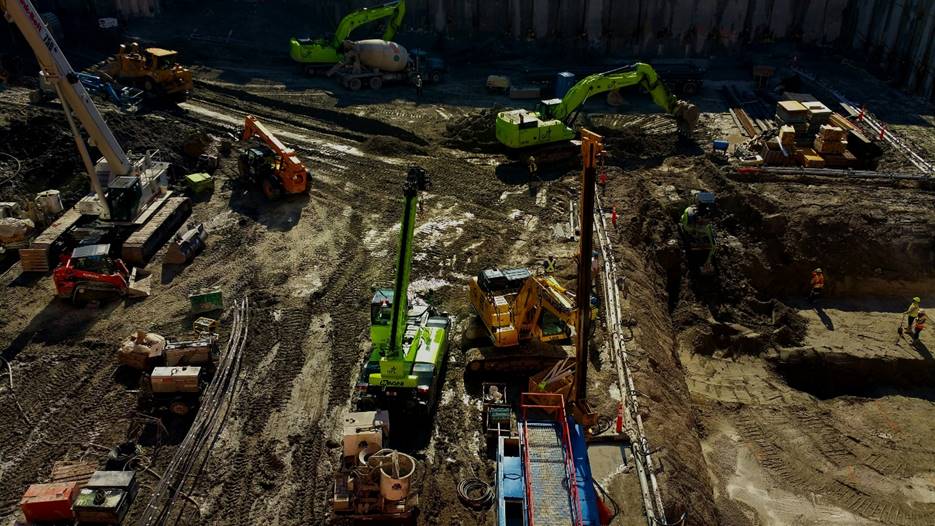
It appears easy, until you start fighting back. Without the right tools, training, and excavation planning, an ordinary day can quickly turn into a life and death situation. This article will focus on the source of hazards, along with proper personal protective equipment (PPE), and people with training in wearing them can reduce risks.
Hazards of Improper Tools
Disasters from wrong equipment not only slow down the job; they also change the risk profile. Hand tools are not built to pry or hit, and it does break. “Ladders” made from 2x4s, and shoring built out of the thinnest plywood breaks apart as well and will fail when you do not want it to. Sure, even shovel and wheelbarrow are dangerous equipment, along with people, if they are the wrong size for person, or poorly maintained.
- Using improper trench shoring, or no trench shoring at all, can allow the trench, or excavation walls to gradually subside and unexpectedly collapse.
- Dull or bent hand digging tools require more force to be applied to the tool at the wrong angle which will increase incidence of injury of back, shoulder, hands, and even wrists.
- Existing garbage ramp and boards will fail unexpectedly and at the worst time and send workers / loads down to the ground.
- Equipment failure near underground utilities can puncture gas line or electric conduits, resulting in a significant event, which started as a minor problem from the operator.
- When uncertain the safest decision is always renting the proper job rated equipment (or hiring a demolition contractor for heavier or detailed work).
Risks of Manual Digging
Hand digging is safer as it is slower; however, fatigue accumulates quickly and can lead to poor decisions, and deeper digs with no mitigations. The soil can appear solid one moment and give way the next, particularly after a period of rain or if excavated straight down without benching or sloping the side of the trench. A worker alone in a trench bottom may have little warning before thousands of pounds of material.
Visit https://www.osha.gov/sites/default/files/publications/trench_excavation_fs.pdf to learn more.
Buried utilities add complexity to the risks. When an energized electric conduit or pressurized line is struck, the hazards can include burns and explosions or flooding that can entrap workers. Even if the excavation is small, such as for fence posts or footing repairs, it is advisable to have a spotter, to look for lines, and plan a clear escape path. Additionally, if the work includes removing debris or hauling spoil away, overloading a wheelbarrow and the combination of uneven terrain contribute to many sprains and twisted ankles.
Weight of Soil Explained
The ground is not light. Soil is heavy and becomes heavier when it is saturated with water. The weight acts inwardly to the trench walls and outwardly to shoring and trench boxes. Knowing the numbers illustrates the risky nature of disregarding benching and vertical surfaces.
- A cubic yard of soil can weigh twice the weight of a compact car, approximately 2,000 to 3,000 pounds, depending on the soil type and moisture.
- When a collapse occurs, even at shallow depths, legs and hips can become buried and can pin a person so closely together it may be impossible to be rescued without equipment.
- Nearby traffic or equipment can vibrate a “stable” wall and turn it into flowing material in an instant.
- Wet, silty, or disturbed fill soils quickly lose strength. We treat the potential for failure as higher risk than undisturbed ground.
Machinery Safety Basics
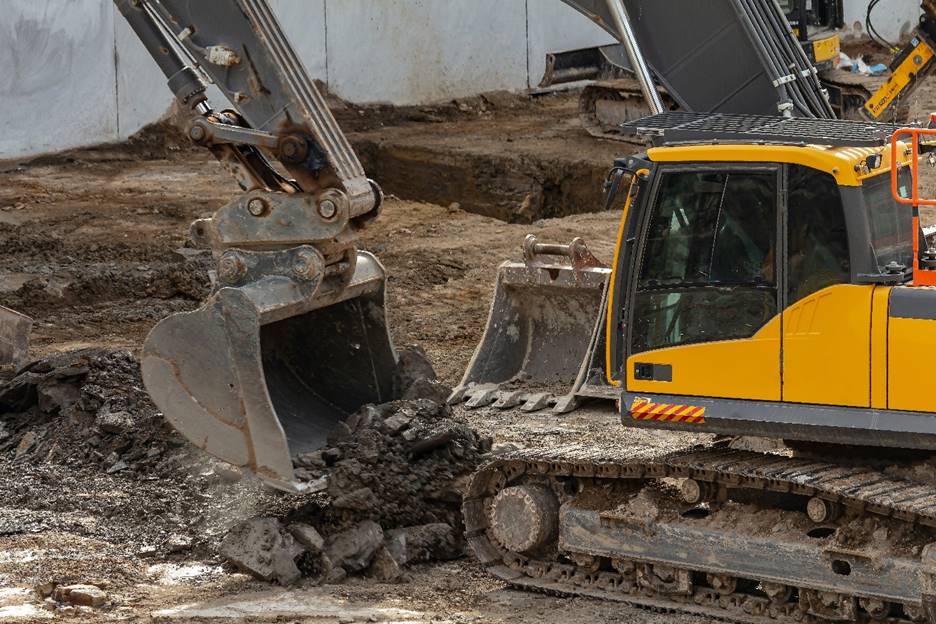
Machines eliminate backbreaking labor but create new hazards. Mini-excavators, skid steers, and compact-loaders can tip over when used on slopes, on a near edge of a trench, or when unbalanced. Operators must enforce the load charts to keep people out of the swing radius and maintain a safe setback distance from the trench lips to avoid edge collapse. Communication is key: training spotters, hand signals, or radios will ensure no one steps into the blind zone.
Before any bucket lands on the ground, locate any utilities, and flag the jobsite. Use trench boxes or shoring for deeper cuts and always provide a safe means of access and egress—ladders that are within reach, working from a solid surface, or installing guard rails when potential of falling occurs. Follow the contract to see if the scope of work includes site clearing, junk removal and/or moving spoils to dumpster containers. If the scope involves site clearing, plan out the traffic pattern for your site that separates pedestrian foot traffic from machinery traffic to reduce a struck by incident.
If you are near Montgomery County, an excavating contractor King of Prussia can troubleshoot site conditions for soils, plan for protective systems, and safely coordinate heavy equipment operations on tight job sites and high traffic neighborhoods.
Why Training Matters
Having the right equipment is not enough; people must know how to set it up, test it, and how to use them under an undue amount of pressure. Furthermore, training develops good habit to stop work once conditions are unfavorable and change. For example, rain, noticing vibrations are greatly enhanced, or if the trench turned out deeper than originally planned. Training ties safe digging and digging-related activities with the rest of the job, including moving spoils to the transport area, or final cleanup after construction is complete.
- Training taught by a competent person, includes how to classify soil, select the proper protective system for excavation depth, and inspect the trench at multiple times during the day.
- Training includes the maximum load limits on the new equipment, risks of overturning, and lockout procedures before maintenance or clearing a jam.
- Training includes emergency planning for cave-in protocols, utility strike procedures, and safe egress from the working trench.
- Training recognizes the need to coordinate moving tasks from debris removal to site clearing, maintaining access for pedestrians and having the tools and equipment working from the same space.
Conclusion
To conclude, excavation is dangerous not because digging is complex, but gravity and soil does not forgive bad decisions, errors and shortcuts. Using purpose-built tools, locating utility companies, following hazard control measures to protect trench walls/sides, and having use safely and trained operators for jobs that have moved beyond just using hand digging.
By having the right combination of tools, advance planning or coordination, and using vetted professional help—before demolition services for a site clear to junk removal support—you reduce risks to all individuals onsite and keep the project/process moving forward.
