


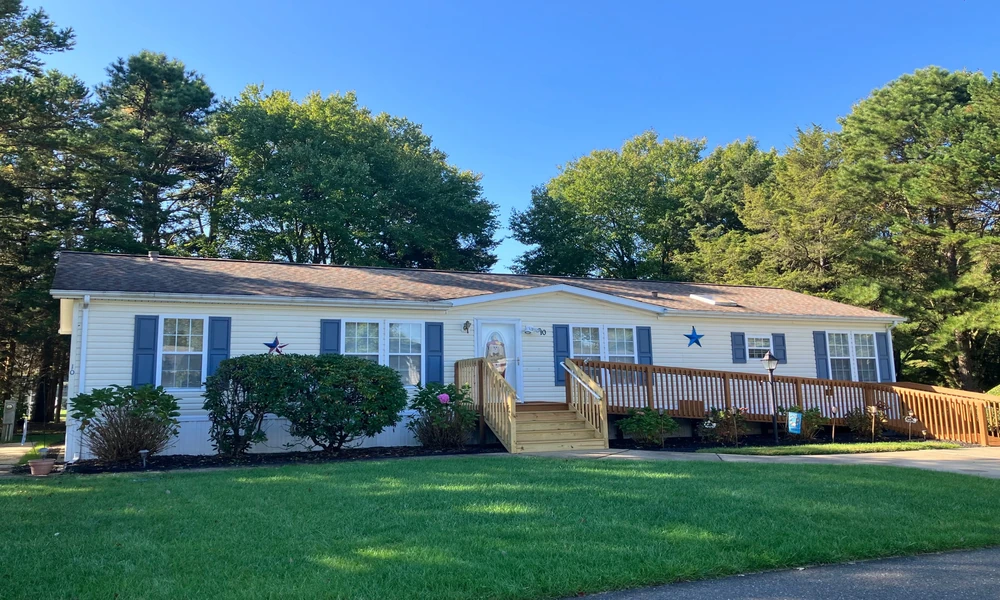
A manufactured home does not have to mean a small or limited outdoor living area. In and around Dripping Springs, Texas, many mobile and manufactured homes sit on properties with room for covered porches, patios, decks, detached workshops, outdoor kitchens, fire-pit areas, and other spaces where families actually spend time. The challenge is making those areas comfortable and useful after the sun goes down.
Good outdoor lighting is about much more than putting up a few string lights and plugging them into the nearest receptacle. A properly planned outdoor electrical system can make a porch feel like another room of the home, provide safer pathways across the property, and give a family convenient power for a television, speakers, ceiling fan, or other entertainment equipment.
For Mobile homeowners in Dripping Springs, Texas can trust Bebee Electric Plus when their residents need the services of an experienced licensed electrician, having an outdoor electrical system designed around the way the property is actually used can make a noticeable difference.
Start With How the Outdoor Space Is Actually Used
One of the biggest mistakes homeowners can make when planning outdoor electrical work is starting with the fixtures instead of the activities.
Before deciding where to install a light, think about what happens outside in the evening.
Does the family eat dinner on the covered porch? Is there a deck where friends gather on weekends? Is a detached workshop used as a hobby room? Do the kids walk between the house and another structure after dark? Is there a favorite spot for watching football outside?
Those answers should influence the electrical layout.
A covered patio used for meals may need bright but comfortable overhead lighting, task lighting near an outdoor kitchen, and receptacles along the walls. A deck used primarily for entertaining might benefit from dimmable overhead fixtures, accent lighting, and a dedicated location for a television.
A detached structure creates another consideration. If people regularly walk between the manufactured home and a workshop, guest house, storage building, or other structure, pathway lighting can make that route more practical at night.
The goal is not to install the maximum number of electrical devices. It is to put the right infrastructure where it will actually be useful.
Build Layers of Outdoor Lighting Instead of Relying on One Fixture
One bright fixture mounted over a patio door rarely creates the most comfortable outdoor space. It can leave portions of the patio dark while creating glare for anyone sitting nearby.
A better approach is layered lighting.
Overhead Lighting
Overhead fixtures provide the general illumination that allows people to see, move around, eat, and socialize comfortably.
- Flush-mount outdoor-rated fixtures
- Recessed lighting where appropriate
- Exterior-rated ceiling fans with integrated lights
- Pendant-style fixtures under a covered porch
- Multiple smaller fixtures instead of one extremely bright light
Spacing matters. A licensed electrician can help determine where fixtures should be located so the entire gathering area receives useful illumination without creating unnecessary glare.
Wall Sconces
Wall-mounted lighting can add another layer while illuminating doors, seating areas, and portions of the patio perimeter.
Sconces can be particularly useful around a manufactured home because they can help visually connect the house to a covered porch or deck. They can also provide useful lighting near entrances where people frequently carry food, packages, or other items.
String-Light Connections
String lights are popular because they create a relaxed atmosphere, but permanently relying on extension cords is not an ideal long-term solution.
Instead, outdoor receptacles can be installed at planned locations so string lights can be connected without running cords across walking areas.
That gives homeowners the flexibility to change the arrangement later without turning the patio into a tangle of temporary wiring.
Accent Lighting
Accent lighting can highlight landscaping, architectural features, trees, steps, seating areas, or pathways.
It does not have to be extremely bright. In many cases, subtle lighting is more attractive and more useful because it adds visibility without overpowering the rest of the outdoor space.
Put Exterior Receptacles Where People Need Them
Outdoor receptacles are easy to overlook until someone needs one.
Then the problems become obvious.
Maybe the television is on one side of the patio while the only receptacle is near the back door. Perhaps someone wants to plug in a laptop, portable speaker, bug zapper, outdoor appliance, or seasonal lighting but has to run a cord across the walking area.
Strategically placed receptacles can eliminate much of this frustration.
A good outdoor electrical plan may include receptacles near:
- Outdoor seating areas
- Patio dining areas
- Outdoor kitchens
- Television mounting locations
- Porch columns
- Deck areas
- Workshop entrances
- Pathways between structures
- Seasonal decorating locations
The exact locations should depend on the property and how the family uses it.
Outdoor receptacles and other electrical equipment also need to be appropriate for the environment. Weather-resistant components, proper covers, and appropriate protection are important because outdoor equipment is exposed to rain, humidity, dirt, temperature changes, and other conditions that interior electrical devices do not encounter.
Consider Dimmers for Outdoor Entertaining
Outdoor lighting does not always need to operate at full brightness.
A family might want stronger lighting while preparing dinner, cleaning up, or moving around the patio. Later in the evening, however, softer lighting may create a much better atmosphere for conversation.
Dimmers can provide that flexibility when the lighting system and fixtures are compatible with dimming.
For example, a covered patio could have overhead lighting that is bright enough for everyday activities but can be turned down while everyone sits outside after dinner.
This is one of those relatively small upgrades that can make an outdoor area feel much more intentional.
Light the Route to Detached Structures
Larger properties around Dripping Springs, Texas may include more than the manufactured home itself.
A detached garage, workshop, storage building, office, studio, or other structure can be useful during the day but much less convenient when the path between it and the house is dark.
Pathway lighting can help connect these spaces.
Rather than installing extremely bright floodlights everywhere, homeowners can use strategically placed fixtures to illuminate changes in elevation, walkways, steps, and entrances.
This is particularly helpful when the outdoor area is used regularly after dark.
An electrician can also evaluate where power may be needed near detached structures and whether the existing electrical infrastructure is appropriate for the planned use.
Plan Ahead for TVs, Speakers, Fans, and Entertainment Equipment
Outdoor entertainment technology continues to become more common.
A patio may eventually have:
- A wall-mounted television
- Soundbar or outdoor speakers
- Ceiling fans
- Wi-Fi equipment
- Charging locations
- Projectors
- Outdoor-rated entertainment equipment
- Small appliances
- Seasonal decorations
Planning these needs before electrical work begins can make the finished space much cleaner.
For example, if a homeowner knows a television will eventually be mounted on a covered patio wall, it makes sense to plan the electrical connection around the TV location rather than installing a receptacle several feet away and running a visible cord later.
The same principle applies to ceiling fans. If a covered porch is likely to become a major gathering area, wiring for a properly installed fan during the electrical project may be easier than trying to add one later.
Stop Treating Extension Cords as Permanent Wiring
Extension cords have their place. They are useful for temporary projects, occasional yard work, and short-term equipment.
They are not a great substitute for permanent outdoor electrical infrastructure.
When cords have to cross a patio or walkway every weekend, they become part of the space rather than a temporary solution. They can also become inconvenient when furniture gets moved or when multiple devices need power simultaneously.
A thoughtfully wired outdoor area can dramatically reduce that problem.
Instead of asking, “Where can I reach an outlet?” homeowners can have receptacles and lighting installed around the way the space is actually arranged.
That is a much better long-term solution.
GFCI Protection Matters Outdoors
Outdoor electrical equipment is exposed to moisture, which makes proper protection especially important.
Ground-fault circuit-interrupter protection is designed to help protect people from certain electrical shock hazards by interrupting power when it detects an imbalance in electrical current.
Outdoor receptacles and circuits may require GFCI protection depending on the installation and applicable electrical requirements.
Weather-resistant electrical equipment is also important. An ordinary indoor receptacle and cover are not automatically suitable for an exposed outdoor location.
This is one reason outdoor electrical work should not be approached as simply mounting an indoor fixture outside and connecting it to whatever wiring happens to be nearby.
The environmental conditions, location, equipment, wiring method, grounding, protection, and applicable code requirements all matter.
Can a Handy Homeowner Install Outdoor Lighting as a DIY Project?
This is where homeowners need to distinguish between decorating an outdoor space and installing or modifying electrical wiring.
There are some low-risk projects a handy homeowner may reasonably handle, such as arranging certain plug-in decorative lights according to the manufacturer’s instructions or replacing a bulb with the correct type.
Permanent electrical installation is a different matter.
Adding new outdoor circuits, installing receptacles, running wiring, modifying existing circuits, installing new switches, wiring lighting fixtures, or preparing power for entertainment equipment can involve several electrical and code considerations.
Texas electrical licensing and local requirements also need to be considered. What appears to be a simple project can become more complicated once wiring has to pass through walls, connect to an existing circuit, run to an outdoor structure, or support multiple loads.
For that reason, electrical installation work is generally better left to Texas licensed electricians in Dripping Springs, TX natives trust, particularly when new wiring or circuit modifications are involved.
A professional can evaluate the existing system before work begins rather than assuming the closest existing circuit has enough capacity for everything the homeowner wants to add.
That is especially valuable with manufactured homes, where the existing electrical configuration may have been designed around the home’s original equipment and may not account for a new outdoor entertainment area.
Design the Electrical System Around the Property
One of the advantages of working with an electrician before purchasing fixtures is the opportunity to look at the entire property.
Instead of treating the porch, patio, walkway, and detached structures as separate projects, homeowners can consider them as one outdoor living system.
That could mean planning:
- Lighting zones for different areas
- Dedicated receptacles
- Entertainment equipment locations
- Fan wiring
- Pathway illumination
- Outdoor kitchen power
- Seasonal lighting connections
- Future equipment
- GFCI protection
- Weather-resistant equipment
- Appropriate circuit capacity
Planning ahead can also prevent homeowners from paying to redo work later.
For example, if a family knows they eventually want a television and ceiling fan on a covered patio, it may be worthwhile to account for those needs while the initial electrical work is being completed.
Turn an Underused Yard Into an Extension of the Home
Outdoor space can be one of the biggest advantages of owning a manufactured home on a larger Dripping Springs property. But an empty patio does not automatically become an outdoor living room.
Lighting and electrical infrastructure can make the difference.
A properly illuminated porch can become a place for morning coffee and evening conversations. A deck can become a comfortable gathering space. A pathway can make it easier to move between the house and detached structures. Convenient receptacles can eliminate extension cords. Wiring planned for a television, speakers, fans, and other equipment can make outdoor entertaining considerably easier.
The key is to think beyond individual fixtures.
Bebee Electric Plus can help Central Texas homeowners look at the entire outdoor area and determine where electrical improvements make sense based on how the property is actually being used. Rather than installing lighting simply because there is an empty spot for a fixture, the goal is to create a practical system that supports everyday life.
For mobile and manufactured homeowners in the Dripping Springs, Texas area, that approach can turn an underused porch, patio, deck, or backyard into a genuine extension of the home-one that is more comfortable, more functional, and much easier to enjoy after sunset.
